【Disaster Prevention and Crisis Management】The Dangers of Volcanic Gases to Human Health
The mechanism of the impact of volcanic gases (SO2) on the human body and the importance of early detection.
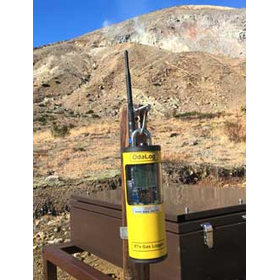
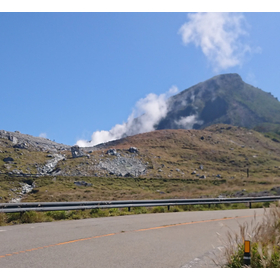
In the field of disaster prevention and crisis management, responses to unexpected natural disasters are required. In particular, accidents caused by volcanic gases not only evoke memories of the Ontake Mountain eruption disaster but are also reported every year, making their risks significant. With the revision of the active volcano law, local governments are mandated to ensure the safety of tourists, increasing the importance of monitoring volcanic gases. Our product helps understand the mechanisms by which volcanic gases (sulfur dioxide and sulfurous gas) affect the human body and supports rapid responses. Sulfur dioxide and sulfurous gas can damage airway epithelium and trigger inflammation, potentially leading to asthma attacks. Since individual tolerance to gases varies and effects can occur even at low concentrations, early detection and information sharing are essential. 【Usage Scenarios】 - Monitoring areas around volcanoes - Understanding gas concentrations during evacuation guidance - Safety management for tourists 【Benefits of Implementation】 - Early detection of rising gas concentrations, contributing to swift evacuation guidance - Supporting accurate situational judgment through gas information sharing among stakeholders - Reducing the risk of volcanic gas poisoning accidents
- Company:ジェイエムエス
- Price:Other